Lead-acid batteries dominated Pakistan's UPS market for decades. They are familiar, widely available and cheap upfront. In a solar inverter system that cycles daily, however, the lifetime cost story reverses sharply in favour of LiFePO4.
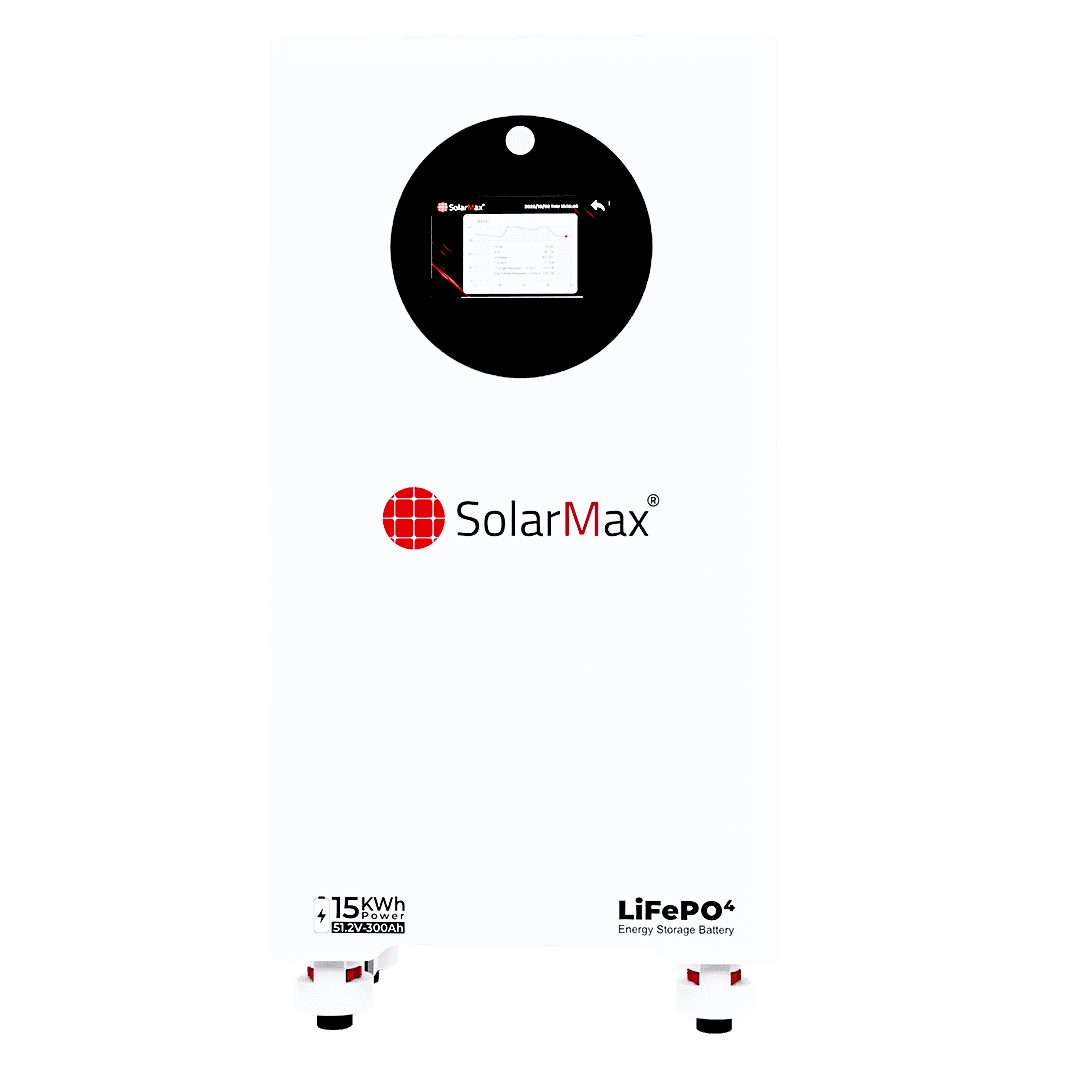
Tubular and AGM banks are typically limited to 50% depth of discharge for reasonable cycle life. LiFePO4 chemistry in SolarMax SM-LFP packs supports far deeper cycling with stable voltage curves, which means inverters spend less time in low-voltage stress modes during evening discharge.
Heat is the silent killer. Battery rooms without ventilation in Lahore, Multan or Karachi summers push lead-acid temperatures past safe thresholds, accelerating plate shedding. LiFePO4 modules include integrated BMS protection and tolerate higher ambient temperatures when installed with basic airflow.
When comparing quotes, divide total installed cost by warranted cycles and usable kWh — not sticker price. A 48 V 100 Ah LiFePO4 block often replaces two strings of lead-acid with less floor space, lower maintenance and predictable performance over ten years.